The Narwhal: Carbon Cache

One of the goals of our Environment program’s Carbon Landscapes initiative is to increase the level of awareness and understanding among Canadians about natural climate solutions. Through support for in-depth research, reporting, and engaging coverage of this work, we help to shed light on the issues, people, and communities working at the intersection of climate, biodiversity, and sustainable livelihoods.

Carbon Cache, a special series produced by The Narwhal and funded by Metcalf, looks at the role of Canada’s natural landscapes in the fight against climate change. Featured below are stories from the series.
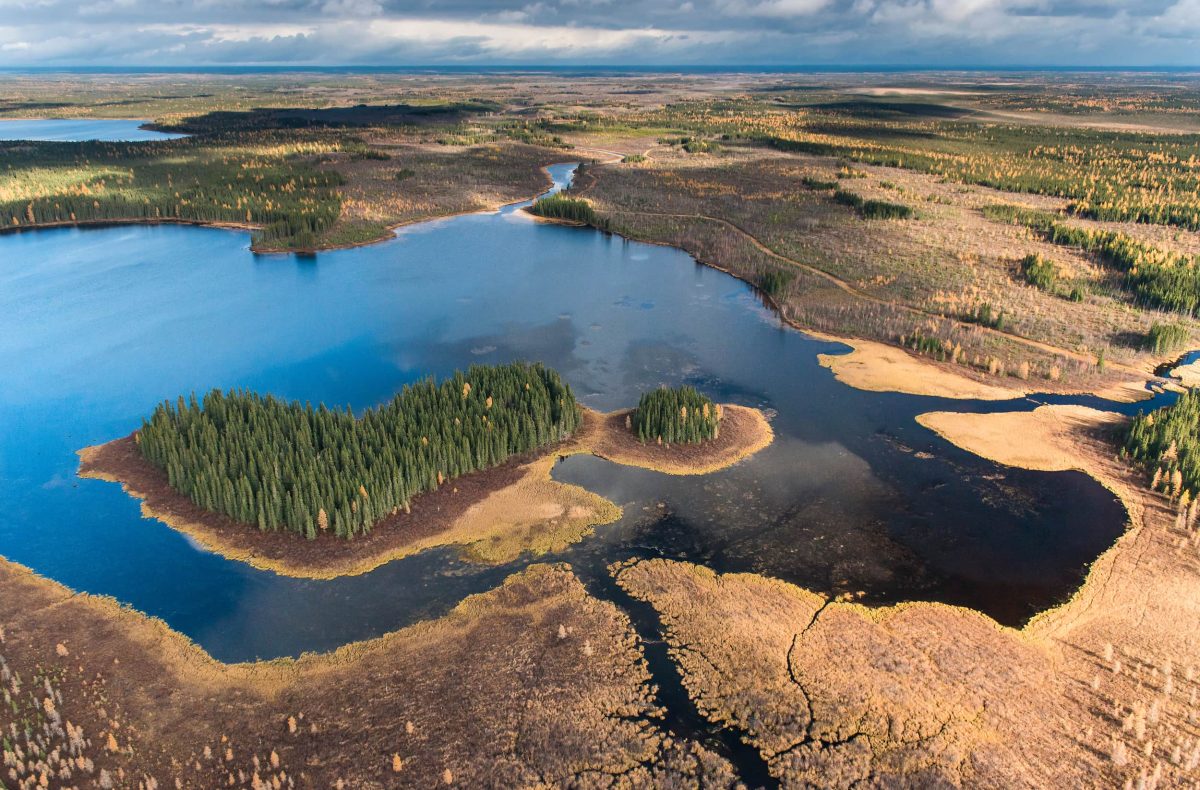
©Garth-Lenz-Ring-Of-Fire-2913
Photo: Garth Lenz
Inori Roy
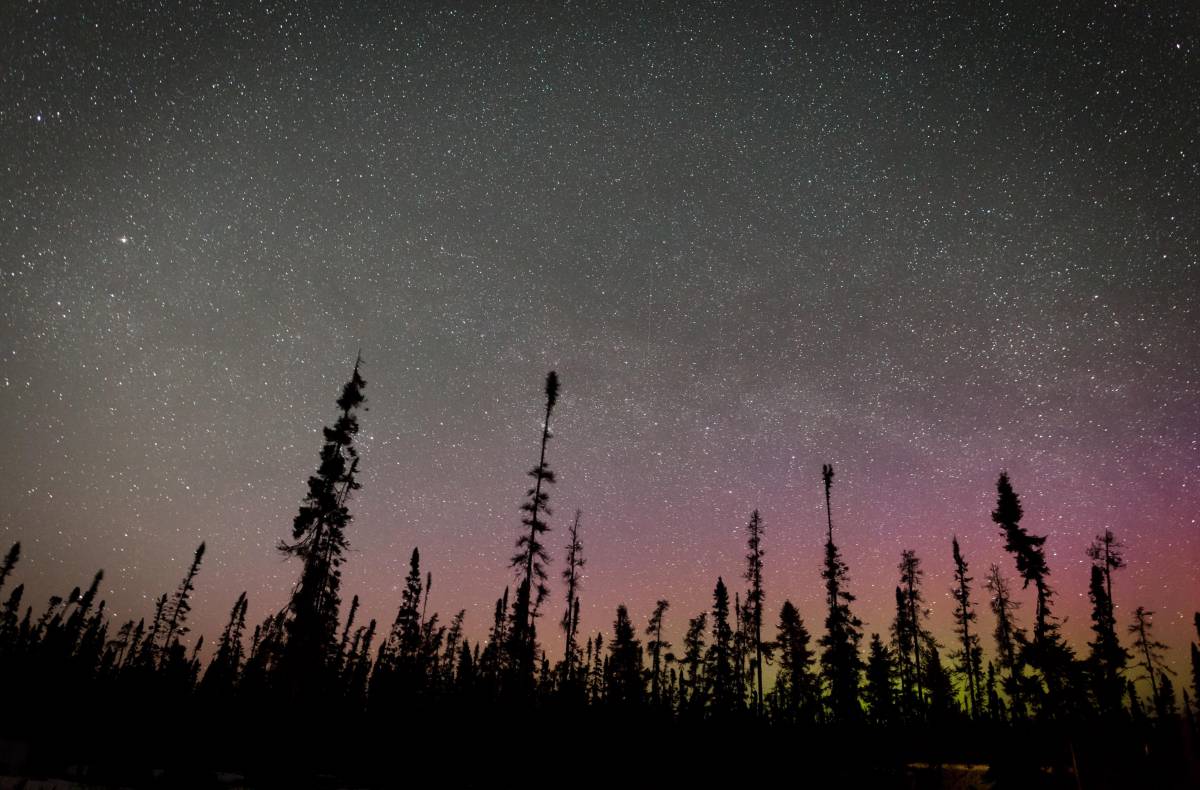
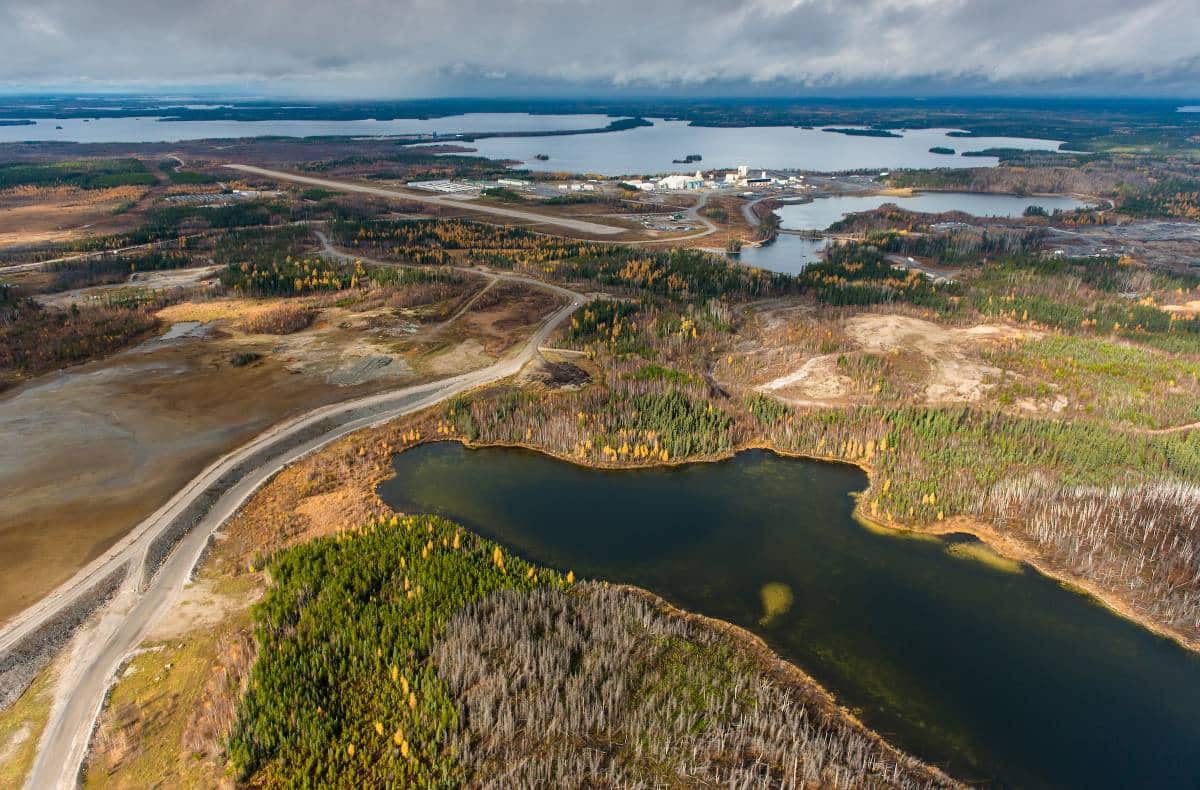
The Mushkegowuk Council has been pushing to protect the area in northern Ontario — a major carbon sink the size of Portugal — for decades.
Carbon-Cache-Alana-Paterson-Cheakamus
Photo: Alana Paterson
Josie Kao
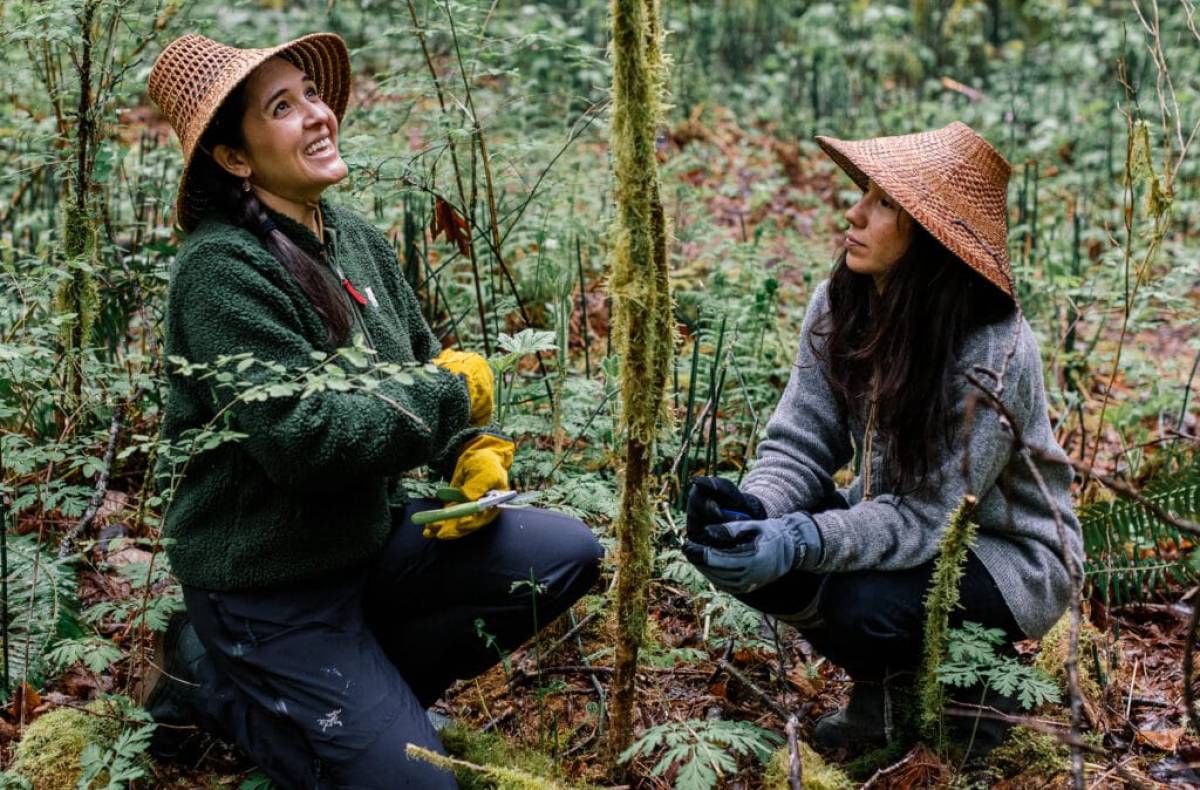
Canada is home to a vast amount of carbon-rich ecosystems. Protecting them is crucial to fighting the climate crisis.
Jeremy-Williams-Mbehcho-Bistcho-Lake-1024x683
Photo: Jeremy Williams / River Voices Productions
Sharon J. Riley
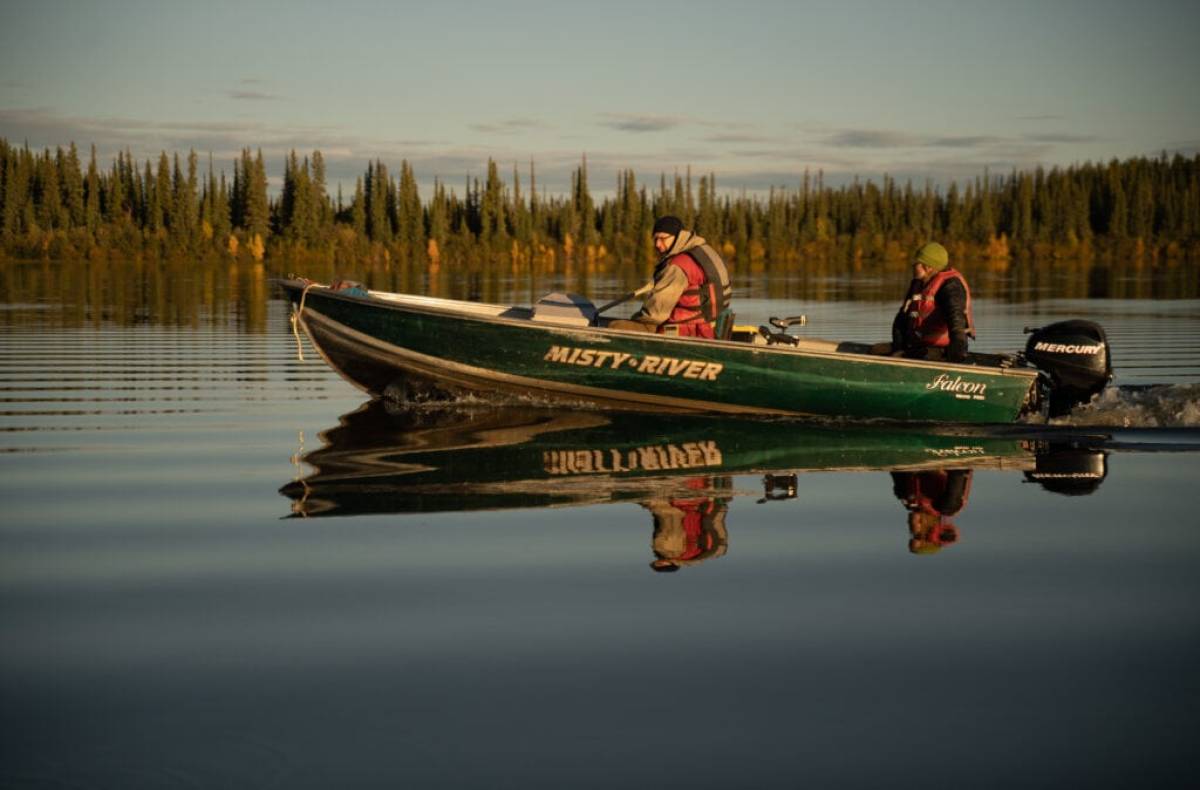
The nation is proposing the first Indigenous Protected and Conserved Area in the province to protect the region surrounding one of Alberta’s largest lakes, which stores five times more carbon per square metre than the Amazon.
AmberBracken-Grasslands51-smaller
Photo: Amber Bracken
Stephanie Wood
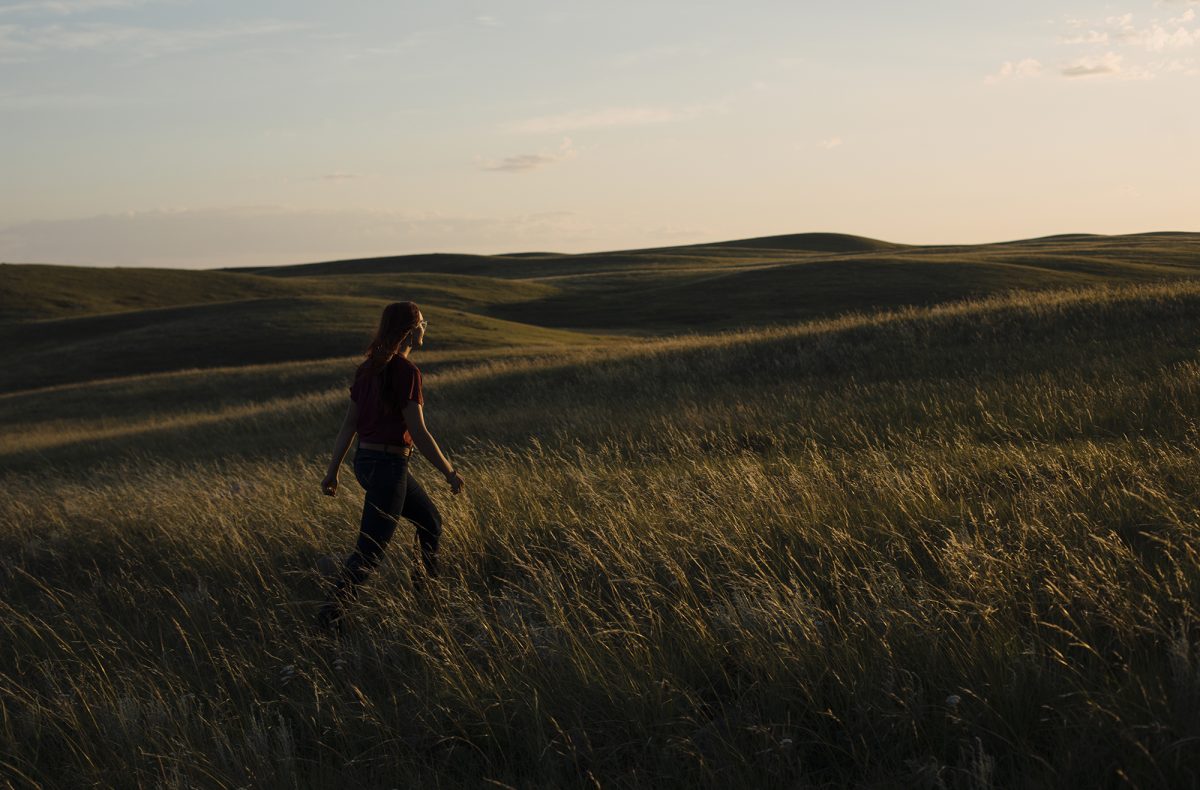
Here’s how the major parties are leveraging everything from conservation goals to restorative agriculture to Indigenous Guardians programs in their campaign platforms.
Cheakamus-Community-Forest-Nature-based-Climate-Solutions-The-Narwhal-Alana-Paterson_4939-2-1024x683
Photo: Alana Paterson
Stephanie Wood
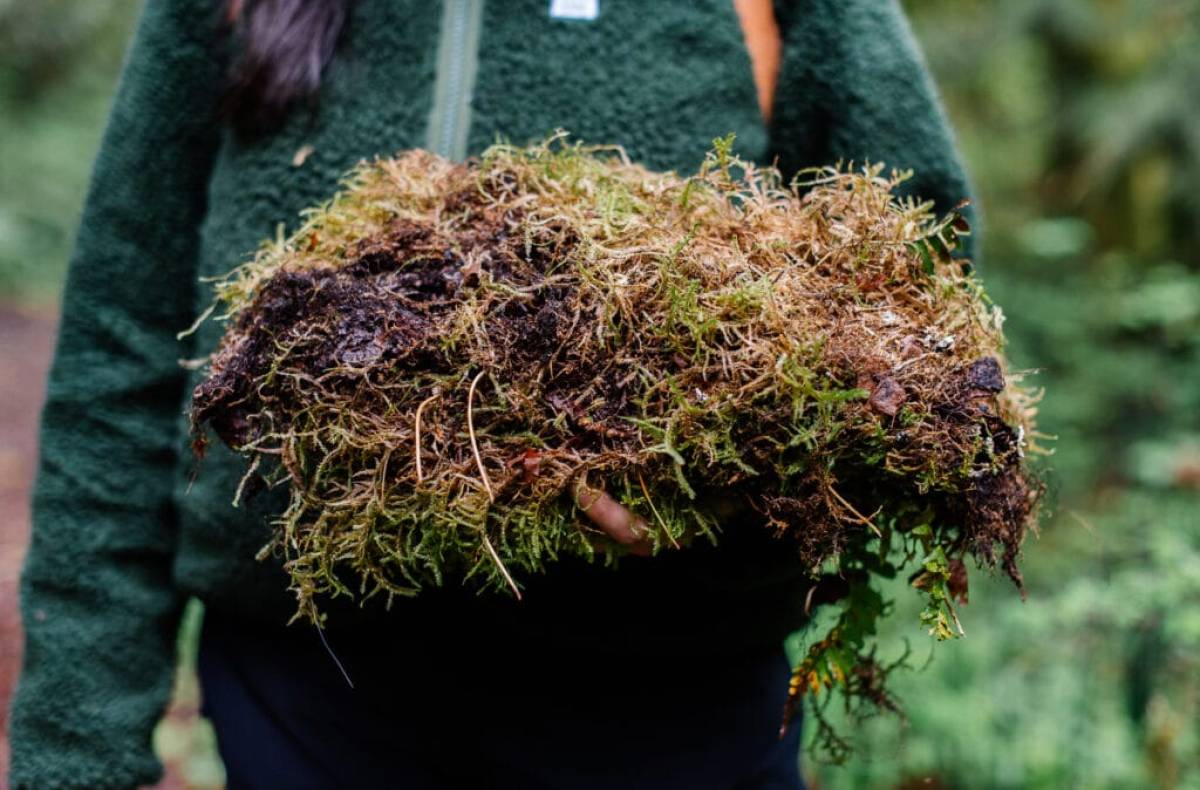
It may be lesser known than the poster-child Great Bear Rainforest, but the humble Cheakamus forest near Whistler is charting new territory when it comes to sustainable timber harvest that outlaws clearcuts, respects Indigenous governance and combats the climate emergency.
AmberBracken-BobLowe010-smaller
Photo: Amber Bracken
Stephanie Wood
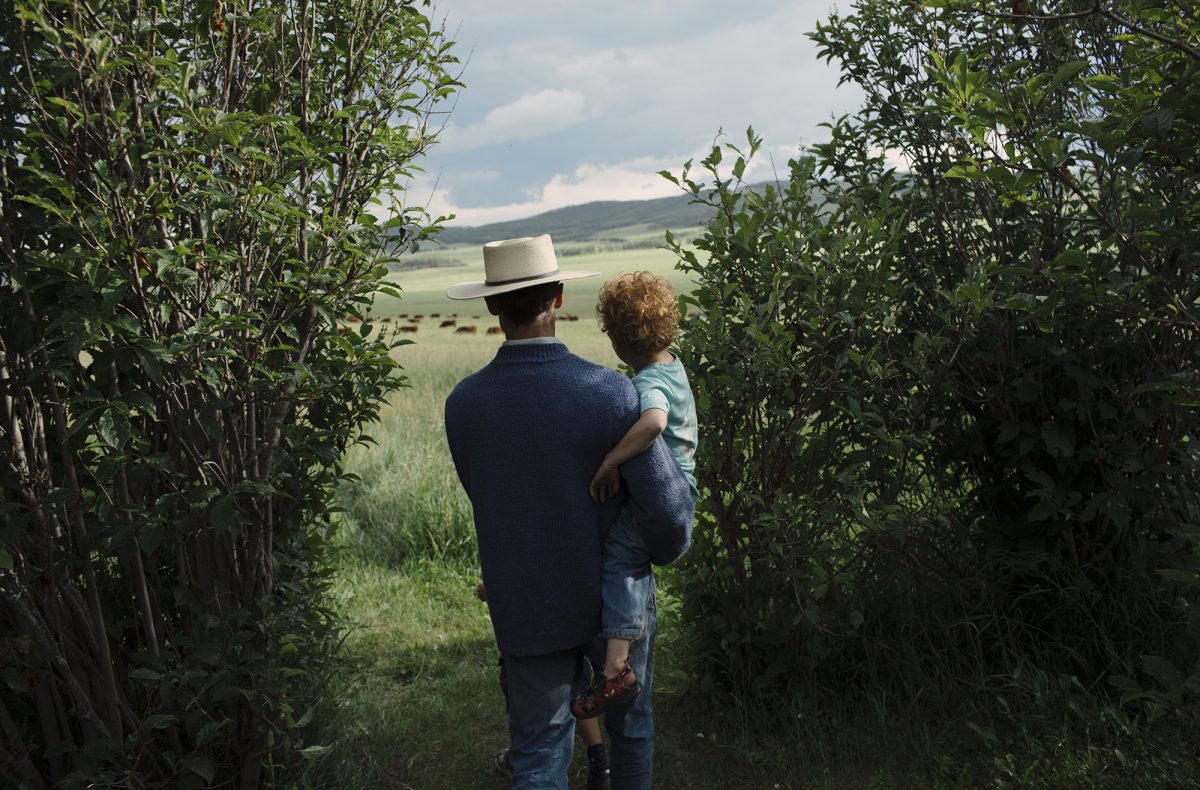
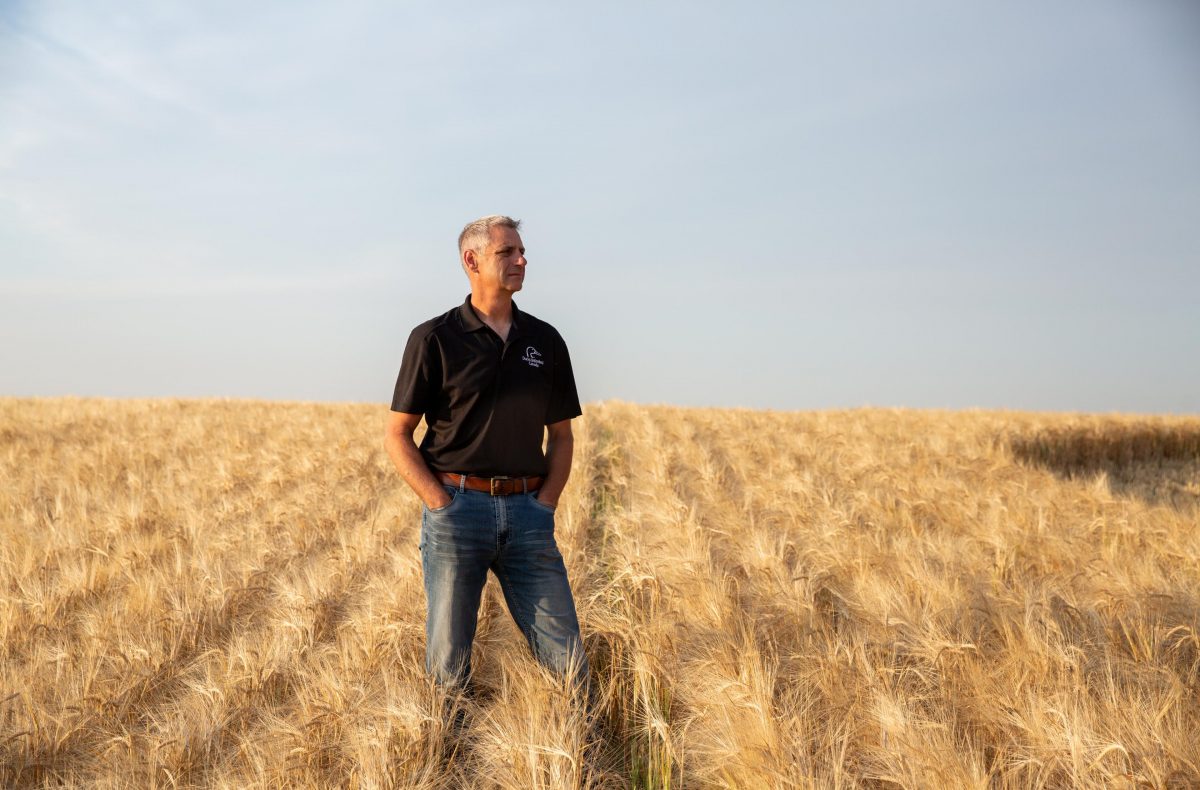
Funds to conserve and restore wetlands and grasslands may provide some relief for Canadian farmers struggling in a year of record-breaking heat waves and persistent drought.
AmberBracken-Grasslands132-smaller
Photo: Amber Bracken
Sharon J. Riley
Study published in Science Advances finds protecting and restoring natural ecosystems, such as wetlands, forests and grasslands, could help Canada meet its climate goals.
Sara Hylton Narwhal 08202020-36-1024x683
Photo: Sara Hylton
Sharon J. Riley
Ottawa pegs $270 million for ‘agricultural climate solutions’ to help farmers protect wetlands and adopt practices like cover cropping and rotational grazing.
daimen-hardie-community-forests-international-1024x683-photo-by-Darren-Calabrese
Photo: Darren Calabrese
Eva Voinigescu
Panellists across the country shared success stories during The Narwhal’s online event on the role of Canada’s natural landscapes in the fight against climate change.
Mud-Bay-Surrey-1400x933
City of Surrey
Stephanie Wood / Steph Kwetásel'wet Wood
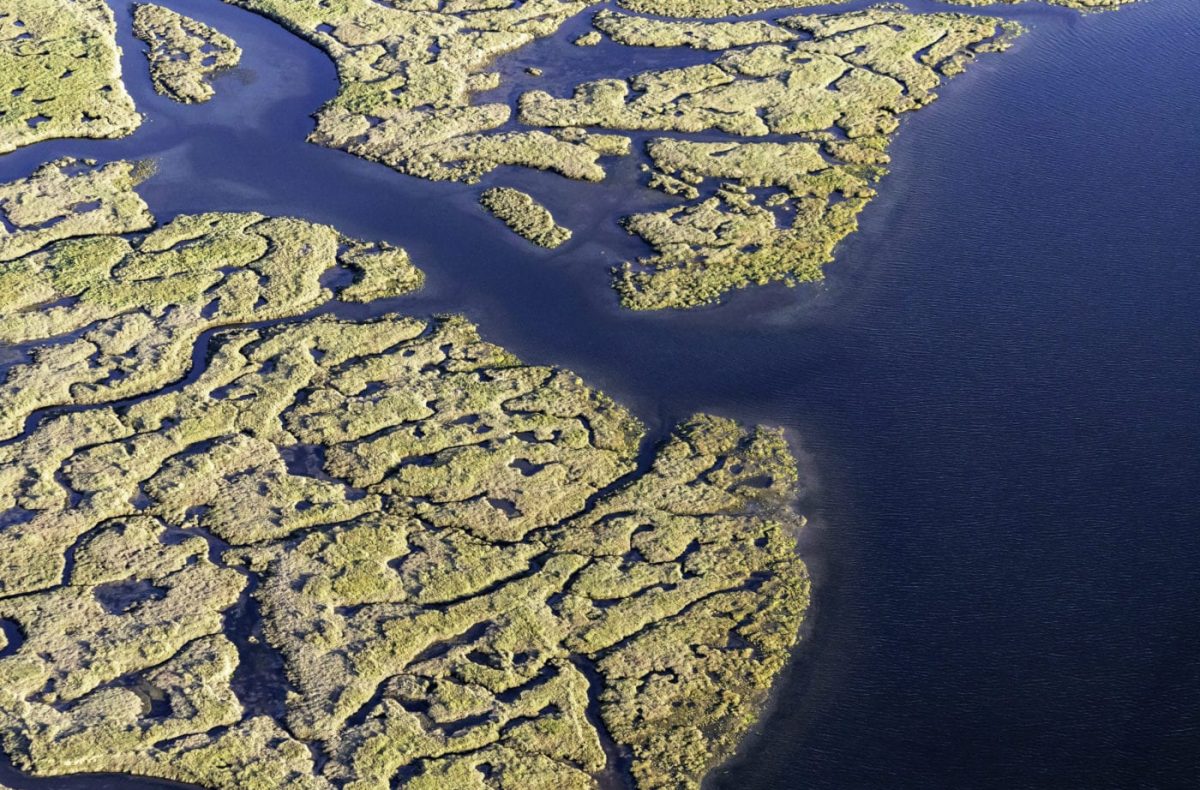
Coastal ecosystems like salt marshes sequester millions of tonnes of carbon, but have been whittled away over the decades. Now Canadian scientists are looking to re-flood marshes in an effort to mitigate the impacts of sea-level rise and store carbon, and seaweed is having its moment in the spotlight.
Photo Darren Calabrese 18-DC_EDIT_DBC_466
Photo: Darren Calabrese
Lindsay Jones
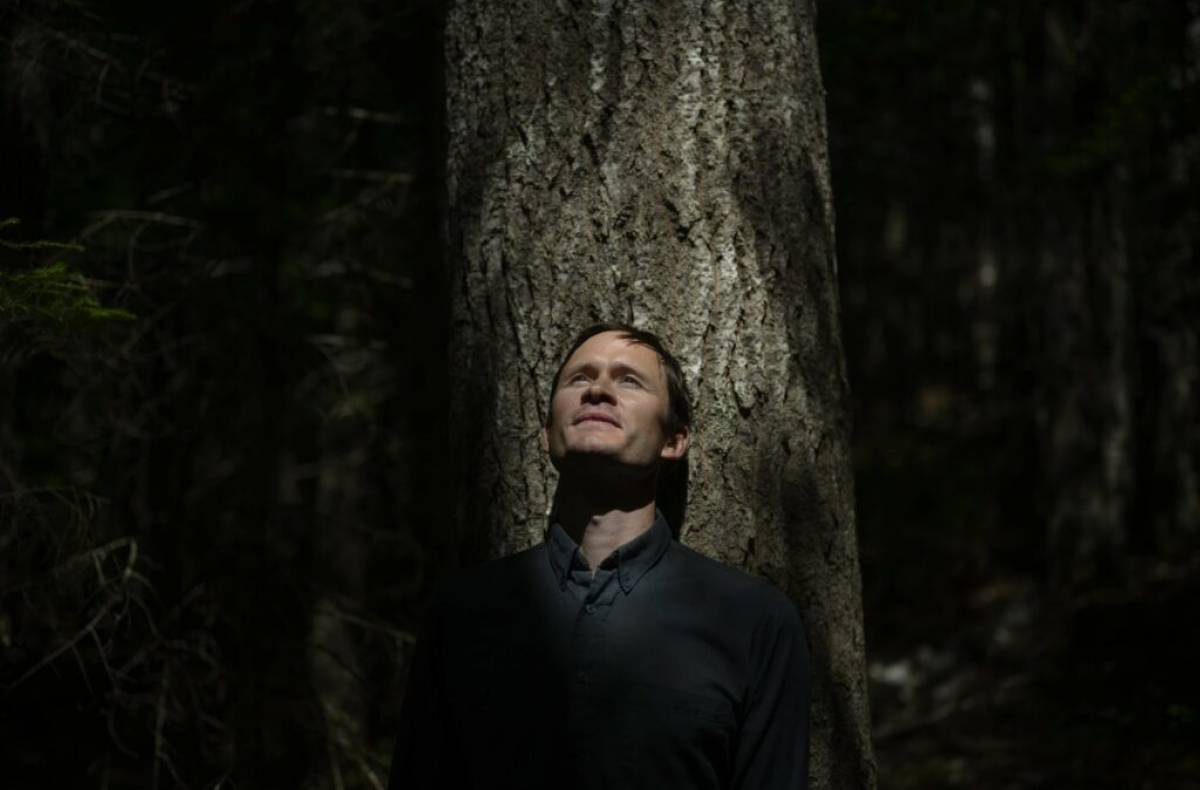
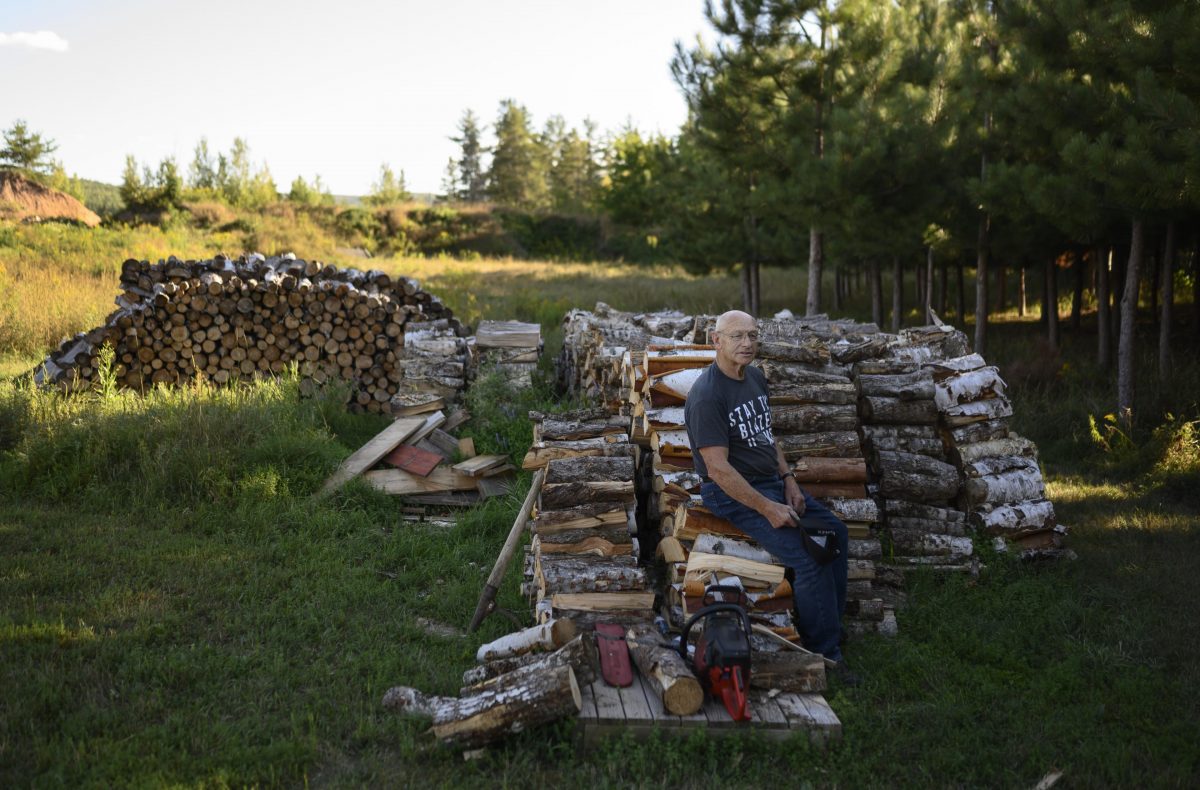
Only remnants of this carbon-rich forest in the Maritimes remain after centuries of clear-cutting. Thousands of family forest owners have a stake in its survival. The question is: can they earn revenue from its protection rather than its destruction?
Photo Alex Harris DSC00133
Photo: Alex Harris / Raincoast
James Wilt
The sixth article in the Carbon Cache series explains carbon offsets.
Photo Sara Hylton Narwhal08202020-23
Photo: Sara Hylton / The Narwhal
Sharon J. Riley
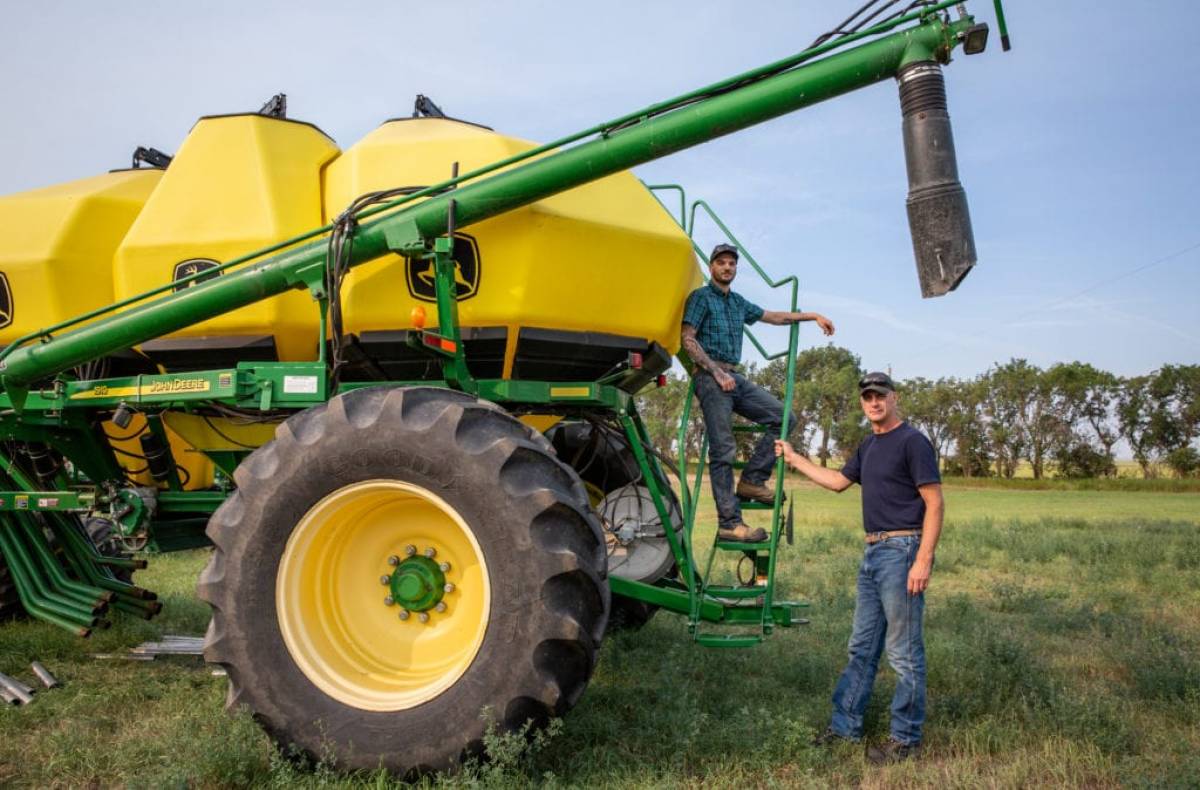
Conservation and agriculture have often been at odds. But as Ottawa develops the first federal carbon offset standard, farming techniques that reduce greenhouse gas emissions are having a moment.
GP03C3Q_High_res
Photo: Greenpeace
Sarah Cox
This 1.3 million hectare forest in Quebec has never been logged or known the incursion of roads. It’s also one of the most carbon dense places on the planet, holding twice as much carbon as the Amazon per hectare — but community members fear ‘the loggers are coming’.
Grasslands117 Photo Amber Bracken
Photo: Amber Bracken
Stephanie Wood
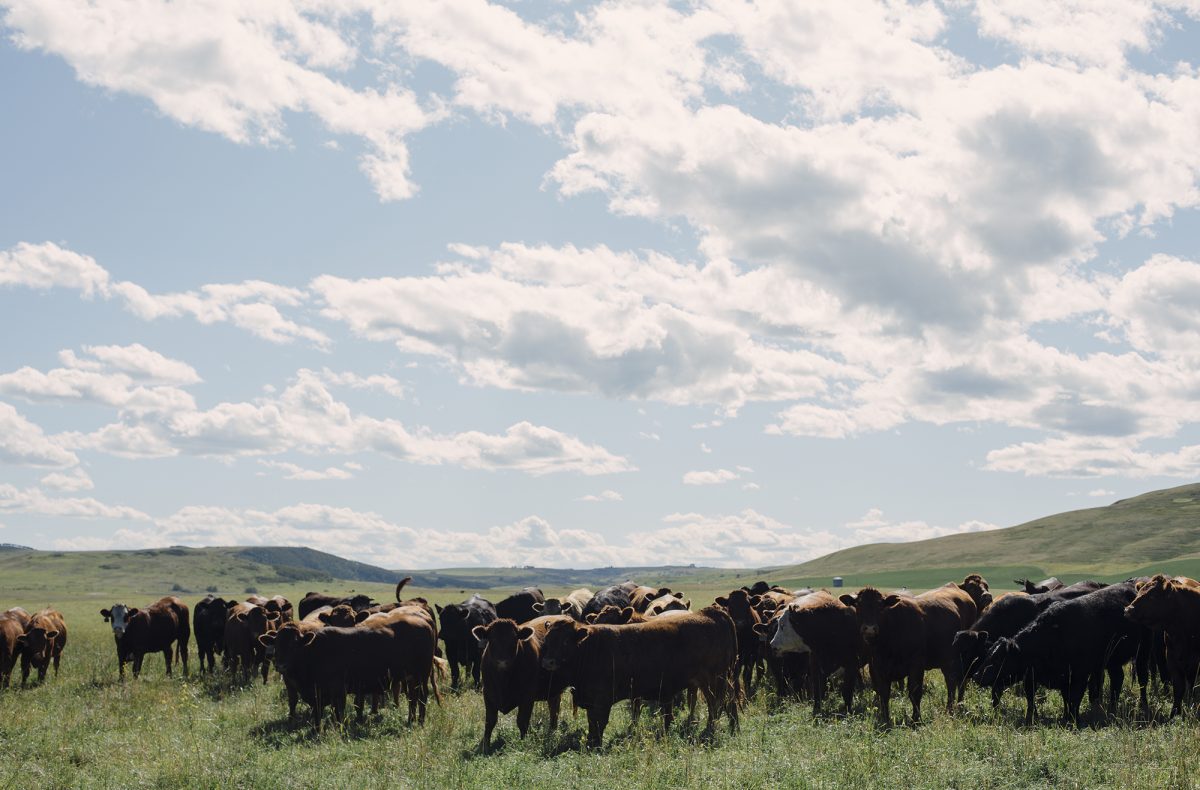
Grasslands sequester billions of tonnes of carbon and support hundreds of plant species and over 60 species at risk. They are also one of the world’s most endangered ecosystems.
garth-Lenz-Ring-Of-Fire-2550-1200x790
Photo: Garth Lenz
James Wilt
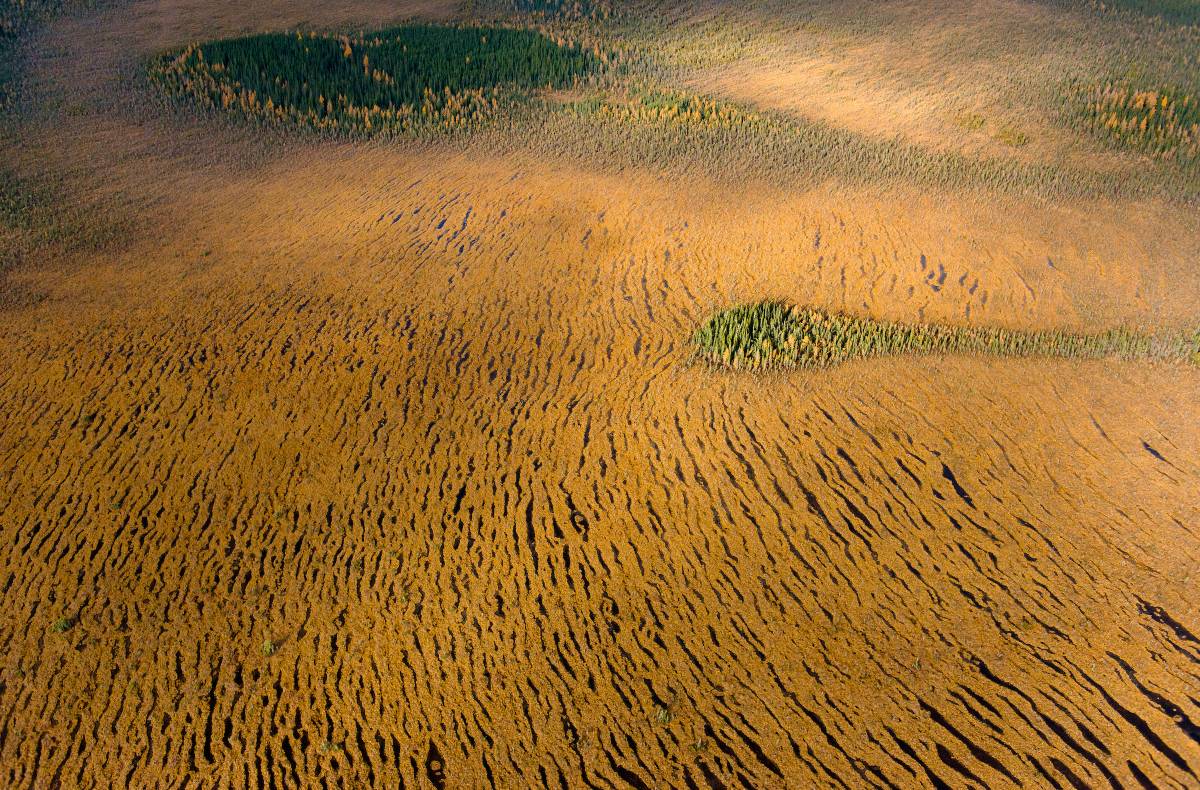
Northern Ontario's muskeg serves as home to dozens of First Nations, stores immense amounts of carbon and sits on top of vast mineral deposits. Whose vision for the bogs and fens will win out?
garth-Lenz-Ring-Of-Fire-4806-1200x790
Photo: Garth Lenz
Jimmy Thompson
Scientists have found protecting nature can provide more than one-third of the emissions reductions required to meet the world’s 2030 climate targets, thrusting Canada — home to 25 per cent of the planet’s wetlands and boreal forests — into the hot seat.

Related News & Events

Filter by Program Subjects
The Narwhal: Carbon Cache