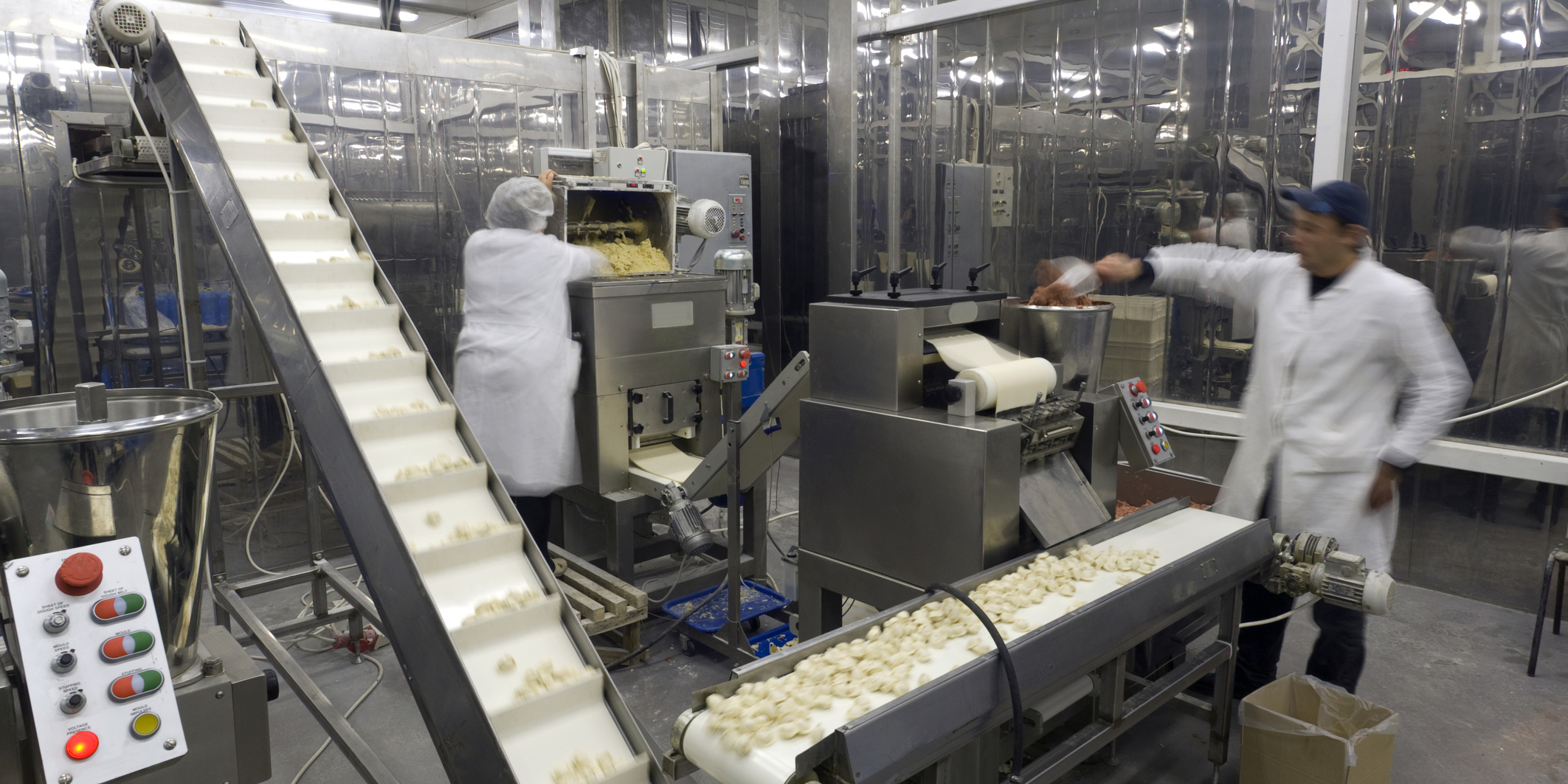
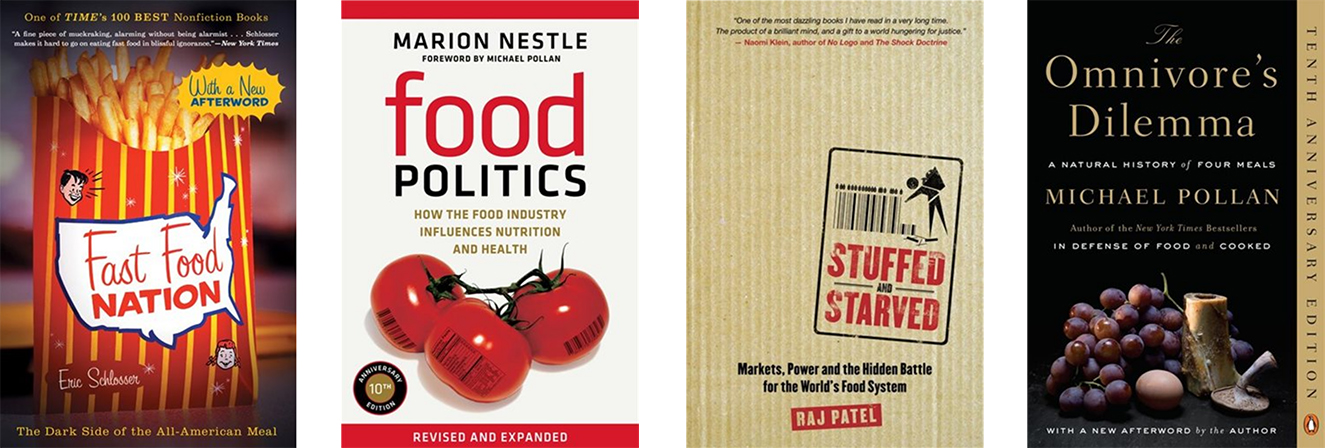
Pollan’s narrative about corn captures well the cumulative message of all four books: the production of our food went from small-scale to large-scale, driven by a desire to increase volumes, lower costs, improve efficiencies, and achieve economies of scale, often through the adoption of factory-like processes. And a larger portion of food industry revenues is derived from processing food.
The consequence? A worldwide weight gain and obesity epidemic. As the medical journal The Lancet has stated, “[t]he simultaneous increases in obesity in almost all countries seem to be driven mainly by changes in the global food system, which is producing more processed, affordable, and effectively marketed food than ever before,” that is resulting in the “overconsumption of energy-dense, nutrient-poor foods and beverages.” Obesity has overtaken tobacco as the largest preventable cause of disease in many places. Canada ranks only behind the United States, Mexico, New Zealand, and Australia in its prevalence of obesity (25.4% among adults).
While individuals make choices about what they eat, these choices are greatly influenced by what foods are available and at what price. Choices are also affected by how much we are seduced to make purchases based on the manipulations of tastes and marketing, without regard for the quality.
The food industry has not remained unmoved by these revelations. The most visible responses have been the effort to reduce the number of additives, and the promotion of more natural food production practices, such as organic sources, grass-fed cattle, antibiotic-free meats, free-range eggs and so on.
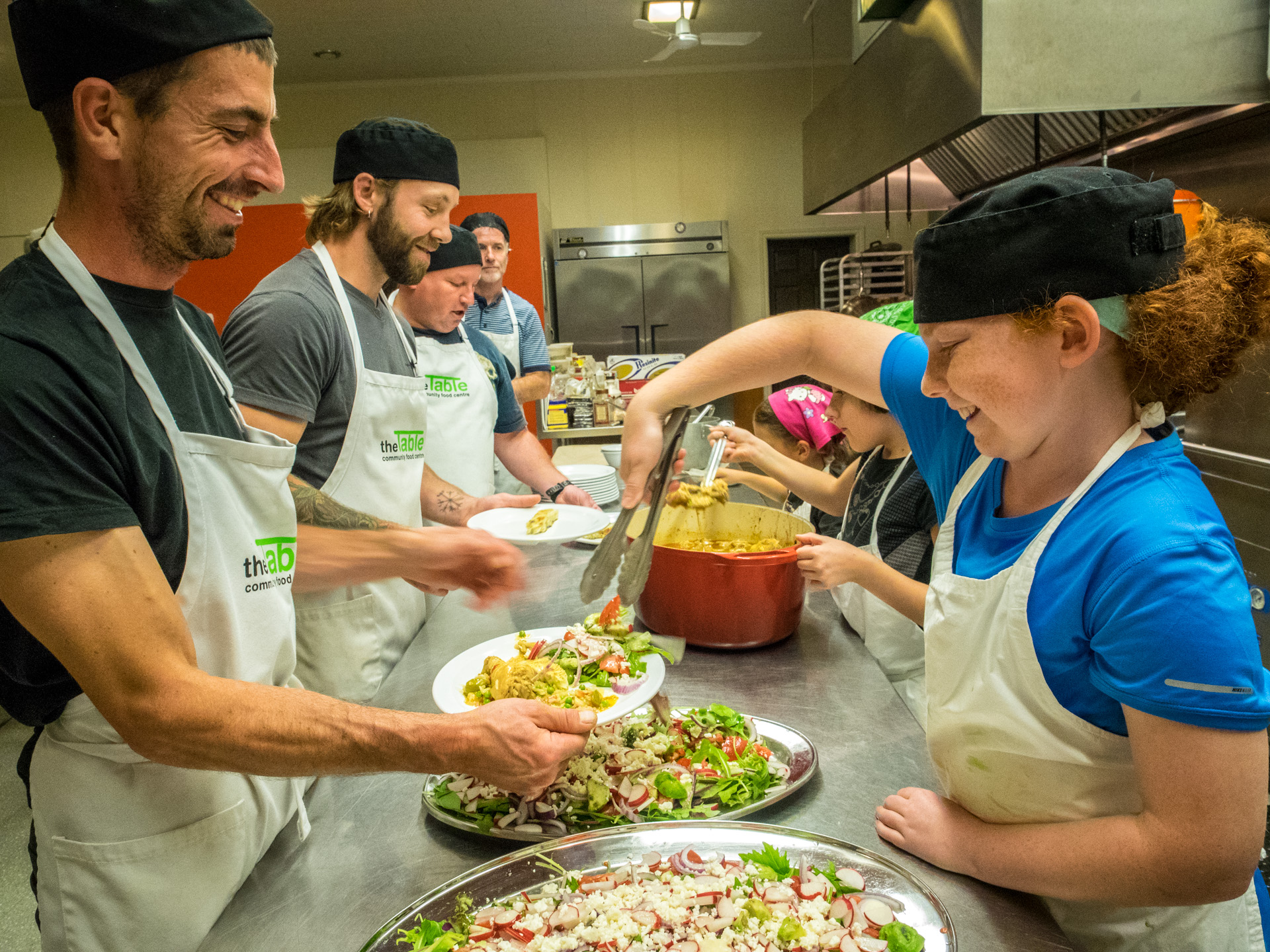
Many interests fall under the banner of the food movement: nutrition and calorie labeling; school lunch reform; farmland preservation; urban agriculture; farmers’ markets; taxes on soda pop; animal rights; campaigns against genetically modified crops; regulating the marketing of junk food to children; community gardens and kitchens; and, two of the biggest, organic food farming and the desire for local food.
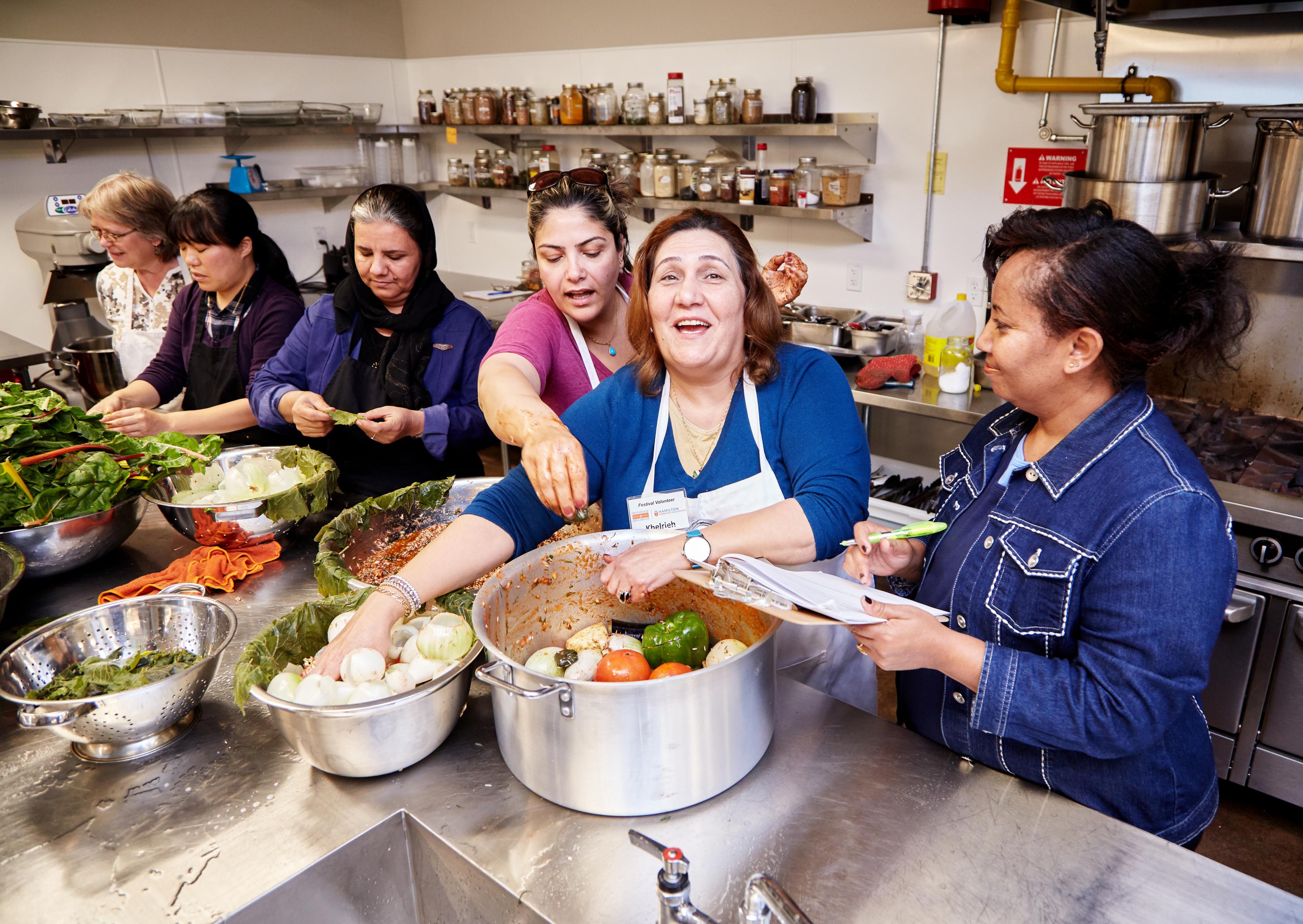
Yet apart from concerns about migrant farm workers, minimum wage, tipping practices in restaurants, and occasionally an investigation into working conditions for precarious food workers — such as Sara Mojtehedzadeh and Brendan Kennedy’s reporting on Fiera Foods — we pay relatively little attention to the circumstances of workers responsible for food reaching our plates. How is it, as good food has emerged as a public cause, that concern about the quality of jobs associated with food has not attracted the same consideration?
Food sector jobs
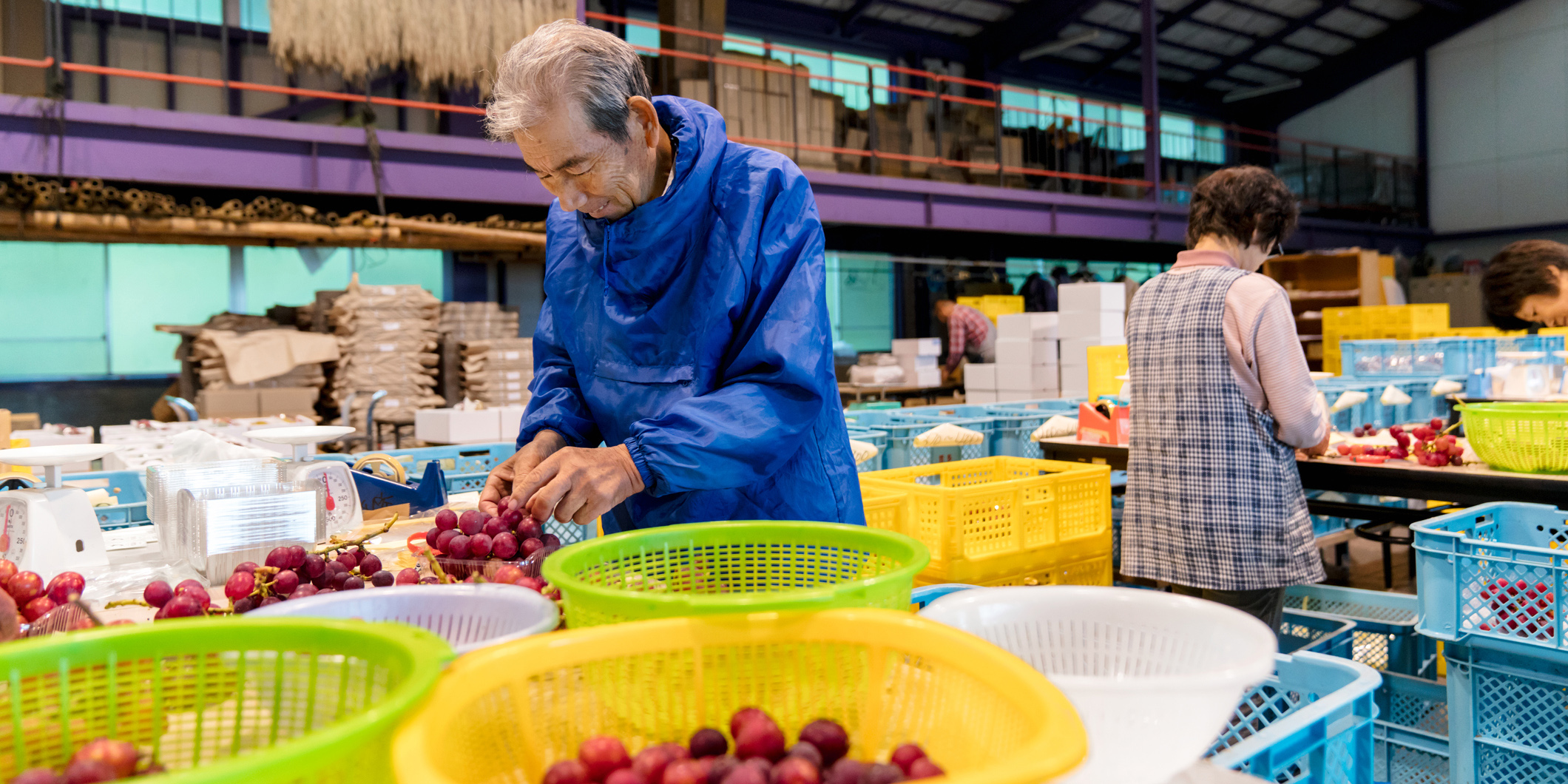
The food sector is a significant employer, accounting for as much as one in every seven workers in Ontario. Close to 22% of food sector jobs are in fast-food outlets, 20% in restaurants, 20% in grocery stores, and 11% in food manufacturing. Workers on farms account for 12% of the total army of food workers.
Food sector industries comprise a larger number of lower-skilled, entry-level positions. Over 60% of these jobs require workers to have no more than a high school diploma. In fast-food outlets, 70% of the jobs are represented by low-skilled occupations such as food counter attendants, cooks, kitchen helpers or cashiers. Close to half of all workers in grocery stores, restaurants, and fast-food outlets work part-time. Because of this large volume of part-time work, almost a quarter (23%) of all workers in food industries in Ontario made less than $15,000 a year in 2010. Even when considering only full-time, full-year workers, the restaurant and fast-food sectors have among the lowest average earnings. Among these workers, only 2% belong to a union.
It is therefore not surprising that food sector workers have been at the forefront of advocacy in support of increasing the minimum wage and of improving the circumstances of low-paying jobs. These efforts to improve employment conditions led to the establishment in 2017 of the Fair Workplaces, Better Jobs Act— which has responded to some of these concerns.
Statutory minimum wages and employment standards are only part of what is required to achieve decent jobs. Mandating safe workplaces, protecting the ability of workers to organize regarding labour concerns, and encouraging personal development, through training and career advancement are all needed. The latter is very much a function of the business model an employer chooses to apply, either adopting a low-wage, low productivity approach, or seeking greater reward through a higher wage, higher productivity strategy.
A vicious or a virtuous cycle?
The benefits derived from investing in training and productivity improvements are not limited to high value-added industries. They can be found among lower-skilled service sectors, such as retail stores, as demonstrated in Zepnop Ton’s The Good Jobs Strategy, which explores the virtuous cycle of retailing. The virtuous cycle reverses the vicious cycle of continuing to cut costs to generate more profit. Rather than focusing on minimizing labour costs, retail stores rely on a common set of operational practices. These can include carrying fewer products (specialized items that meet customer preferences) while ensuring that staff are gauging customer expectations, and cross-training staff to be able to carry out different functions depending on customer traffic. This ensues a sufficient complement of staff is always present to assist clients. These operational practices require better-trained staff, which necessarily warrants higher pay. In short, better store performance depends on better operations, the foundation for which is better trained and better paid staff.
The production of food follows much the same argument: reducing the costs of various inputs (labour costs, produce costs) results in a reliance on volume, not quality. Combined with various efforts to increase the consumption of volume (sugar, fat, salt) the outcome is less healthy food. Reversing this downward spiral is possible, but there appears to be a catch: it is hard to achieve both beneficial outcomes (good food and good jobs). Better quality food may be the outcome, but then the improvement in the quality of the jobs may be constrained. Better jobs can be achieved, but then the food quality may not be much improved.
These are systemic problems arising from the constraints of cost-cutting approaches throughout the economy. The virtuous cycle of retail, applied to operational practices in the food sector, is perhaps one possible strategy in our quest for finding ways to have good food made by people with good jobs, and provides a promising segue for the two questions we have posed to our guest panel:
- How can we make food jobs good jobs?
- Can the good food movement provide insights as to how to drive a good food jobs agenda?